

Exfoliation is an essential step in any skincare routine, as it helps to remove dead skin cells, unclog pores, and reveal a brighter, smoother complexion. When it comes to exfoliants, there are two main types: physical exfoliants and chemical exfoliants. In this blog post, we will explore the difference between these two categories and help you understand which one might be best suited for your skin.
Physical Exfoliants
Physical exfoliants, also known as mechanical exfoliants, use physically abrasive substances to slough off dead skin cells. These exfoliants typically come in the form of scrubs, brushes, or abrasive tools, and contain small particles or granules that physically buff away the uppermost layer of the skin.
One of the main advantages of physical exfoliants is the immediate sensation of smoothness on the skin. The gentle friction created by the scrubbing motion helps to remove dead skin cells and promote circulation, leaving your skin feeling rejuvenated. Additionally, physical exfoliants can be easily customized to suit different skin types and needs, as you have control over the pressure and intensity applied during the exfoliation process.
However, it is crucial to exercise caution while using physical exfoliants, as they can be abrasive if used incorrectly. Harsh scrubbing or using large and coarse granules can cause micro-tears in the skin, leading to irritation and inflammation. Therefore, it is recommended to choose exfoliants with fine particles and to exert gentle, circular motions when applying them.
Chemical Exfoliants
Unlike physical exfoliants, chemical exfoliants work by dissolving the bonds between dead skin cells, allowing them to be easily shed off. These exfoliants primarily include alpha hydroxy acids (AHAs) and beta hydroxy acids (BHAs), such as glycolic acid, lactic acid, and salicylic acid. They can also contain enzymes like papain or bromelain, derived from fruits or plants, which gently break down the build-up of dead skin cells.
Chemical exfoliants offer a more controlled and even exfoliation process, suitable for those with sensitive or acne-prone skin. AHAs, for instance, are water-soluble and work on the skin’s surface, resulting in a smoother and brighter complexion. BHAs, on the other hand, are oil-soluble and penetrate deeper into the pores, making them an excellent choice for oily or acne-prone skin, as they help to unclog pores and reduce breakouts.
It is important to note that chemical exfoliants increase the skin’s sensitivity to the sun, so applying sunscreen daily is essential when using these products. Additionally, individuals with sensitive skin may need to patch test chemical exfoliants before incorporating them into their routine, as they can cause mild redness or irritation in some cases.
Choosing the Right Exfoliant
Deciding between physical and chemical exfoliants ultimately comes down to personal preference and skin sensitivity. If you enjoy the tactile experience and prefer the immediate results of a physical exfoliant, ensure you choose one with gentle particles and use it in moderation. Conversely, if you have sensitive or acne-prone skin, a chemical exfoliant may be a better option to achieve a smoother complexion without physical abrasion.
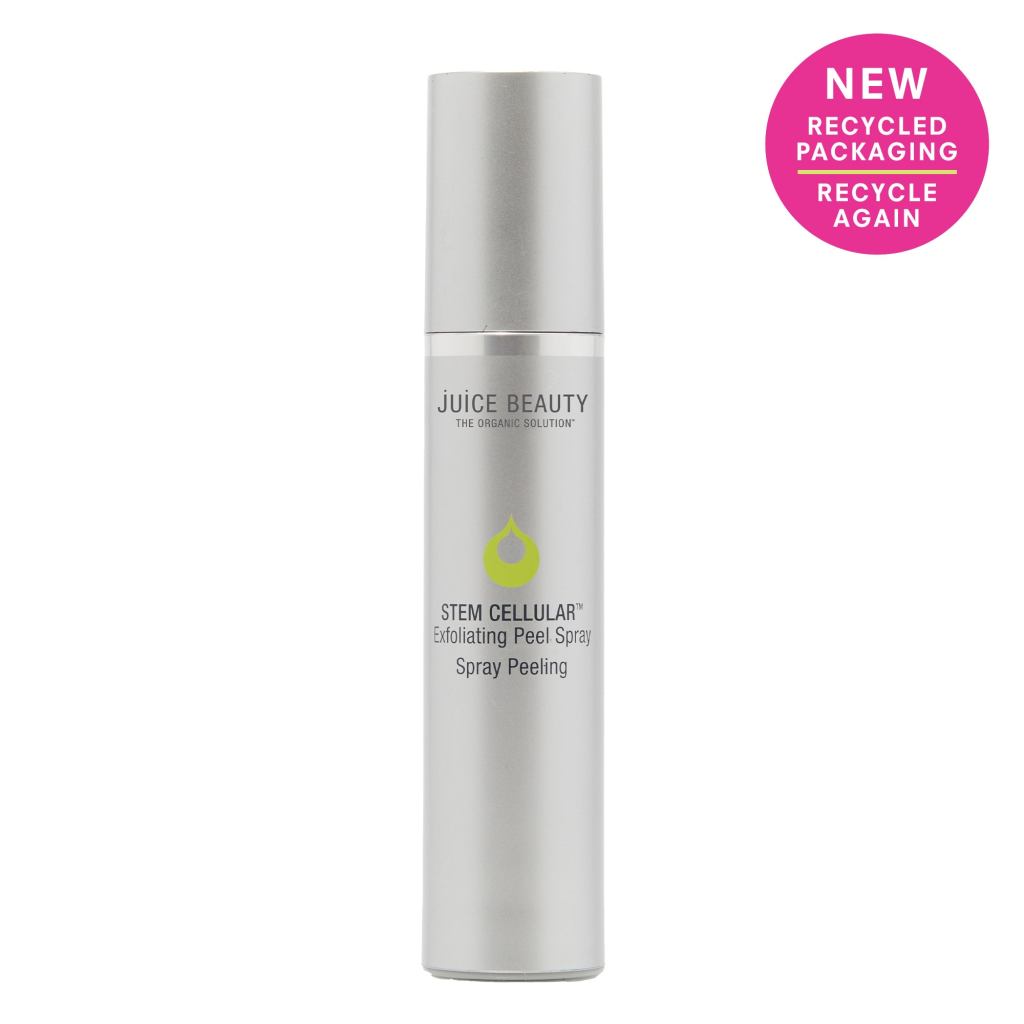
My favorite chemical exfoliant is the juice beauty peel spray. the best exfoliant ever. Ive never seen so much dead skin come off until I used this product. You can get yours here: https://amzn.to/470kEpQ

My favorite physical exfoliant is the dermalogica daily microfoliant. It leaves the skin fresh and glowy. You can get yours here:
Ultimately, remember that less is more when it comes to exfoliation. Over-exfoliating can disrupt the skin’s natural barrier and lead to skin issues. Aim to exfoliate 1-3 times a week, depending on your skin’s needs, and always follow up with a lightweight moisturizer to maintain hydration.
Now armed with this knowledge, you can make an informed decision when choosing between physical and chemical exfoliants, and establish a skincare routine that caters to your unique needs and preferences. Happy exfoliating!
Note: It is always recommended to consult a dermatologist or skincare professional for personalized advice based on your skin type and concerns.
subscribe for more daily content!


 The Wellness Aesthetics
Leave a comment