
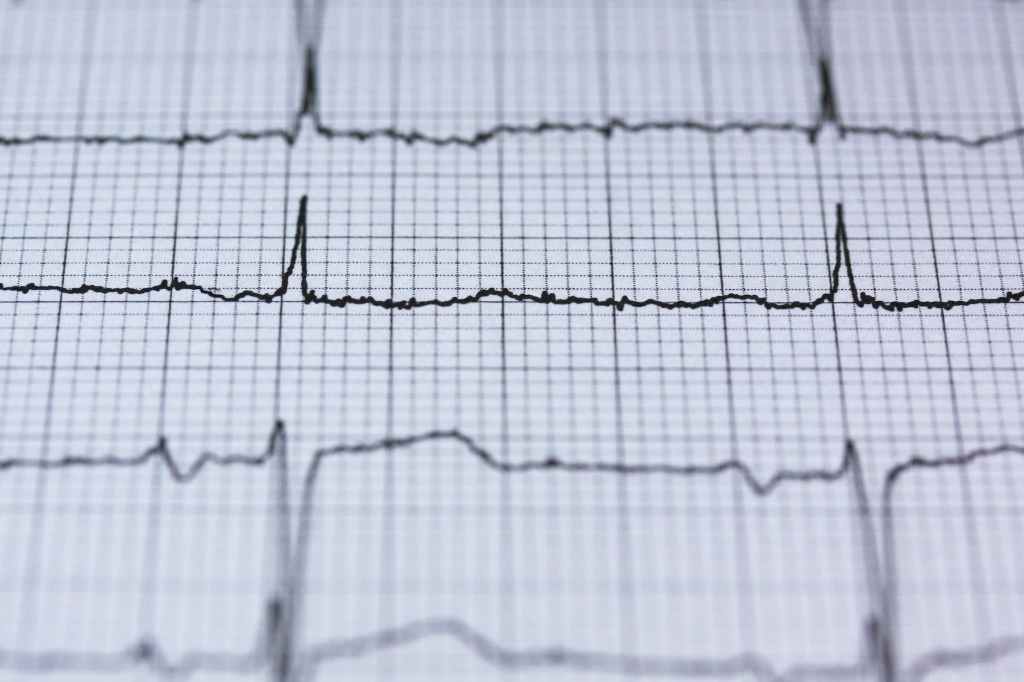

Heart rate variability (HRV) is a measure of the variation in time intervals between consecutive heartbeats. It is an important indicator of the health and function of the autonomic nervous system, which controls vital body functions such as heart rate, blood pressure, and respiration.
A high HRV indicates a healthy autonomic nervous system and is associated with good cardiovascular health and overall well-being. It suggests that the body can efficiently adapt to different situations and stressors.
Conversely, a low HRV is often seen in individuals with chronic stress, anxiety, and certain medical conditions. It reflects a decreased ability of the autonomic nervous system to respond to changes, which can be detrimental to health in the long run.
Monitoring HRV can provide insights into an individual’s physiological state and their ability to handle stress. It can be measured using specialized devices such as heart rate monitors or smartwatches that have HRV tracking capabilities. Analyzing HRV patterns over time can help identify trends and potential health issues.
It is important to note that while HRV is a useful tool, it should not be used as a standalone diagnostic test. Consulting with a healthcare professional is advised for a comprehensive evaluation and interpretation of HRV data.
Knowing your heart rate variability (HRV) can provide several benefits for your health and well-being. Here are some of the key advantages:
- Assessing Autonomic Nervous System Function: HRV is an indicator of the health and function of your autonomic nervous system. By monitoring HRV, you can gain insights into how well your body is adapting to various stressors and situations. This information can help you understand the state of your physiological balance.
- Cardiovascular Health: High HRV is generally associated with good cardiovascular health. It indicates that your heart has the flexibility to adjust its rhythm efficiently, which is crucial for maintaining a healthy cardiovascular system. Monitoring HRV can provide early warnings of potential issues and allow you to take appropriate measures to promote heart health.
- Stress Management: HRV can serve as a valuable tool in assessing your body’s response to stress. By monitoring changes in HRV, you can gain a better understanding of how stress impacts your body. This awareness helps you identify stressors and implement effective stress management techniques, such as meditation, deep breathing exercises, or physical activities, to improve your resilience and overall well-being.
- Performance Optimization: HRV monitoring is widely used in sports and fitness to optimize performance. By tracking HRV patterns, athletes and fitness enthusiasts can gauge their body’s readiness for training or competition. Adjusting training intensity based on HRV data can help prevent overtraining and improve overall performance.
- Mental Health: Low HRV is often associated with chronic stress, anxiety, and certain mental health conditions. Monitoring HRV can help you understand the correlation between your emotional well-being and physiological responses. It can provide valuable information for healthcare professionals in assessing and managing mental health conditions.
Remember, while HRV monitoring has numerous benefits, it is essential to consult with a healthcare professional for a comprehensive evaluation and interpretation of the data. They can provide personalized guidance based on your unique circumstances and help you make informed decisions about your health.
Monitoring heart rate variability (HRV) requires specialized devices that can accurately measure the intervals between consecutive heartbeats. Here is a step-by-step guide on how to monitor HRV:
- Choose a HRV Monitoring Device: Select a device that has HRV tracking capabilities. This can be a heart rate monitor, a smartwatch, or a dedicated HRV monitor. Ensure that the device is reliable and provides accurate measurements.
- Wear the Device: Follow the manufacturer’s instructions to properly wear the device. Make sure it is snug yet comfortable on your wrist or chest, depending on the type of device.
- Record Baseline HRV: Begin by recording your baseline HRV. Find a quiet, calm environment where you can sit or lie down comfortably. Open the HRV monitoring app on your device and start the recording. Relax and breathe normally for a few minutes while the device collects data.
- Follow Monitoring Guidelines: Different devices have different monitoring guidelines. Some may require you to record HRV at specific times of the day or during specific activities. Follow the instructions provided by the device manufacturer or consult the user manual to ensure accurate measurements.
- Track Variations: Regularly track and record your HRV data. Most HRV monitoring devices store and display your HRV values over time, allowing you to analyze patterns and trends. Pay attention to changes in HRV and any correlations with stress levels, exercise, sleep quality, or other factors that may impact your autonomic nervous system.
- Consult a Healthcare Professional: While HRV monitoring provides valuable insights, it is important to consult with a healthcare professional for a comprehensive evaluation and interpretation of the data. They can offer personalized guidance based on your unique circumstances and help you understand the implications of your HRV measurements.
In conclusion, monitoring your heart rate variability (HRV) can provide valuable insights into your overall health and well-being. By assessing the variation in time intervals between consecutive heartbeats, HRV can indicate the functioning of your autonomic nervous system and cardiovascular system. High HRV is generally associated with good cardiovascular health and the ability to handle stress effectively. On the other hand, low HRV may indicate chronic stress, anxiety, or certain medical conditions.
Subscribe for more daily content
-

Essential Skincare Tips for Dry Climates
A dry climate can take a toll on your skin, leaving it feeling parched and lacking in moisture. However, with the right skincare routine and products, you can help your skin stay hydrated and healthy even in the driest of environments. Here are some essential skincare tips to keep in mind: 1. Hydrate from the…
-

The Health Benefits of Apple Cider Vinegar
Apple cider vinegar, commonly referred to as ACV, has been praised for its various health benefits and versatile uses. Made from fermented apples, this popular kitchen staple has gained attention for its potential to promote overall well-being. Here are some of the notable benefits of apple cider vinegar: Digestive Aid ACV is believed to support…
-

Satisfying Your Hunger: Managing Increased Appetite During a New Workout Routine
Are you starting a new workout routine and finding yourself experiencing increased hunger? Don’t worry, it’s completely normal. When you engage in physical activity and experience muscle soreness, your body naturally craves more food. In this article, we will explore the reasons behind increased hunger during exercise and provide you with practical tips on how…
 The Wellness Aesthetics
Leave a comment