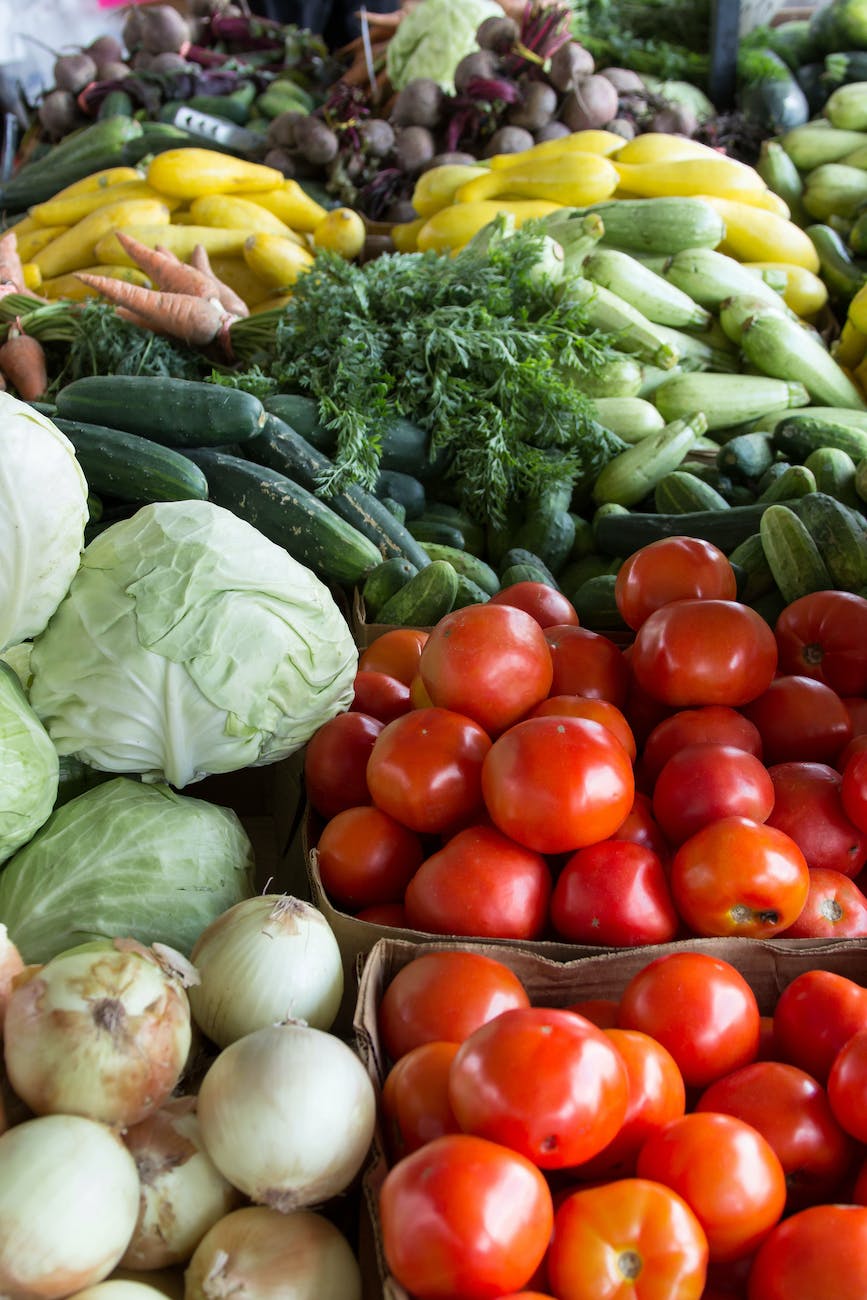

Eating organic has become increasingly popular in recent years, as people are becoming more conscious about their health and the environmental impact of food production. Organic food refers to the products that are grown or raised without the use of synthetic pesticides, fertilizers, or genetically modified organisms (GMOs). In this blog post, we will delve into the reasons why eating organic is not only a healthier choice for individuals but also a sustainable one for our planet.
Health Benefits of Organic Food
One of the primary reasons why people choose organic food is for its potential health benefits. By eliminating the use of artificial chemicals, organic farming practices promote a more natural and nutritious food supply. Here are some key advantages:
1. Reduced Exposure to Pesticides: Conventionally grown fruits, vegetables, and grains often contain residues of synthetic pesticides. Consuming these chemicals can have detrimental effects on our health, such as increased risk of cancer and disruption of our endocrine system. Organic crops are grown using natural methods, minimizing the risk of pesticide exposure.
2. Superior Nutritional Value: Research suggests that organically grown produce tends to have higher levels of nutrients, including vitamins, minerals, and antioxidants. Organic fruits and vegetables are often fresher and ripen naturally, allowing them to retain their nutritional value.
3. No GMOs: Genetic modification in crops involves altering their genetic makeup, which can lead to unpredictable consequences. Organic food is generally free from GMOs, as these crops are not allowed in organic farming practices. By consuming organic, you can avoid potential health risks associated with genetically modified organisms.
Environmental Benefits of Organic Food
In addition to the personal health benefits, choosing organic food also has positive effects on the environment. Here are a few reasons why organic farming is considered more sustainable:
1. Preservation of Soil Health: Organic farming practices focus on building and maintaining healthy soil through crop rotation, composting, and natural fertilizers. This not only improves soil structure and fertility but also helps prevent erosion and promotes biodiversity.
2. Reduced Chemical Runoff: The use of synthetic fertilizers and pesticides in conventional farming can lead to water pollution through chemical runoff. Organic farming practices, on the other hand, minimize the use of such chemicals, reducing the risk of contamination in rivers, lakes, and groundwater.
3. Support for Biodiversity and Wildlife: Organic farms prioritize the use of natural pest control methods and encourage a diverse range of plants and animals to thrive. This promotes the development of ecosystems that support beneficial insects, birds, and other wildlife, contributing to overall biodiversity.
Making the Switch to Organic
Transitioning to an entirely organic diet might seem challenging, especially considering factors like availability and affordability. However, making small changes can still have a positive impact:
- Start by buying organic versions of the foods you consume most frequently.
- Visit local farmers’ markets or join a community-supported agriculture (CSA) program to access fresh, organic produce.
- Consider growing your own organic herbs, vegetables, or fruits in a backyard garden or even in containers on your balcony.
By supporting organic farmers and choosing organic products whenever possible, you not only prioritize your health but also contribute to a more sustainable and environmentally friendly food system.
Remember, every small step towards eating organic makes a difference. Let’s embrace a healthier and more sustainable lifestyle together!
Sources:
- Environmental Health Perspectives: Are Organic Foods Safer or Healthier Than Conventional Alternatives?
- Science Advances: Comparative analysis of nutritional quality of organic versus conventional fruits: A systematic review and meta-analysis

Subscribe for more daily content!
 The Wellness Aesthetics
Leave a comment