

In the world of skincare, there is one ingredient that stands out for its remarkable benefits: Vitamin C. Highly regarded for its antioxidant properties and ability to improve the skin’s appearance, Vitamin C has become a popular choice in skincare products. However, like any skincare ingredient, there are considerations to keep in mind. In this article, we will explore the benefits and potential drawbacks of Vitamin C in skincare, as well as the different types of Vitamin C commonly used. Additionally, we will introduce you to a highly recommended Vitamin C product. So, let’s delve into the world of Vitamin C and discover the exciting possibilities it holds for your skincare routine.
Vitamin C is a popular ingredient in skincare products due to its numerous benefits for the skin. Here are some of the benefits:
- Antioxidant protection: Vitamin C is a powerful antioxidant that helps protect the skin against free radicals, which can damage cells and contribute to premature aging.
- Collagen production: Vitamin C plays a crucial role in collagen synthesis, a protein that maintains the skin’s structure and elasticity. By promoting collagen production, it can help reduce the appearance of fine lines, wrinkles, and improve overall skin texture.
- Brightening effect: Vitamin C has skin brightening properties that can help fade dark spots, hyperpigmentation, and uneven skin tone, resulting in a more radiant complexion.
- Sun damage protection: While not a substitute for sunscreen, vitamin C can enhance the effectiveness of sun protection products by reducing the harmful effects of UV rays on the skin.
As with any skincare ingredient, there can be some potential cons to using vitamin C:
- Skin irritation: In some cases, vitamin C products can cause skin irritation or sensitivity, especially at higher concentrations. It’s important to choose a formulation that suits your skin type and start with lower concentrations if you have sensitive skin.
- Stability concerns: Vitamin C can be unstable and degrade when exposed to air, light, or heat. To ensure efficacy, look for products with stabilized forms of vitamin C or packaging that protects the product from these elements.
- Compatibility with other ingredients: Vitamin C may interact with certain ingredients, such as niacinamide or retinoids, leading to reduced effectiveness. If you’re using other active ingredients, it’s advisable to check with a dermatologist or follow product recommendations for compatibility.
Remember, everyone’s skin is unique, so it’s important to do a patch test and observe how your skin responds before incorporating any new skincare ingredient into your routine.
There are several different types of Vitamin C used in skincare products. Here are some of the most common forms:
- L-Ascorbic Acid: This is the purest and most potent form of Vitamin C. It is highly effective in promoting collagen synthesis and reducing oxidative stress. However, it is also the most unstable form and can cause skin irritation in higher concentrations.
- Sodium Ascorbyl Phosphate (SAP): SAP is a stable form of Vitamin C that converts into L-ascorbic acid once absorbed by the skin. It is less likely to cause irritation and is suitable for sensitive skin types. SAP also has excellent brightening and antioxidant properties.
- Magnesium Ascorbyl Phosphate (MAP): MAP is a more stable form of Vitamin C that is gentle on the skin. It has moisturizing properties and can help with acne-prone skin by reducing inflammation and controlling sebum production.
- Tetrahexyldecyl Ascorbate (THD Ascorbate): THD Ascorbate is a highly stable form of Vitamin C that penetrates deep into the skin. It is known for its brightening effects, antioxidant properties, and ability to even out skin tone.
- Ascorbyl Palmitate: This form of Vitamin C is oil-soluble and has a longer shelf life compared to other forms. It is commonly used in anti-aging products as it can promote collagen production and protect the skin from free radicals.
Each form of Vitamin C has its own benefits and considerations, so it’s important to choose a formulation that suits your skin type and addresses your specific skincare concerns. I always look for a vitamin C that has L-ascorbic Acid.
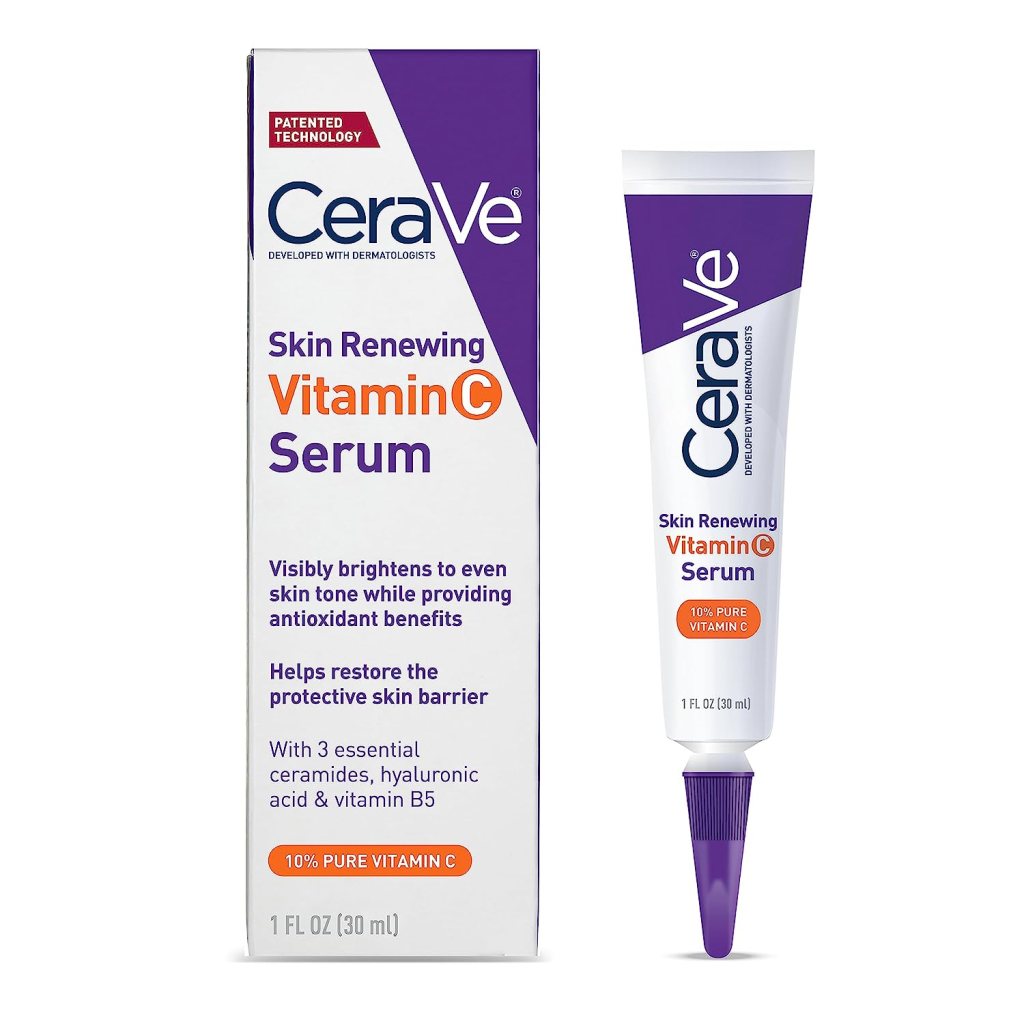
I’ve tried many Vitamin C products from the low end of the spectrum and high end. My favorite Vitamin C product that Ive ever used is the CeraVe Vitamin C. You can get it here: https://amzn.to/3K4vVfo
The CeraVe Vitamin C serum is a skincare product that contains a stable and potent form of Vitamin C called L-ascorbic acid. This serum is designed to brighten the skin, improve its texture, and provide antioxidant protection against free radicals. It is formulated with a patented time-release technology that ensures a gradual release of Vitamin C throughout the day for maximum effectiveness. The CeraVe Vitamin C serum is also enriched with hyaluronic acid and ceramides to help hydrate and strengthen the skin’s natural moisture barrier. It is also fragrance free meaning its less likely to irritate the skin!It is suitable for all skin types and can be incorporated into your daily skincare routine to improve the overall appearance and health of your skin.
Remember, when incorporating any new skincare ingredient, it’s always important to do a patch test and observe how your skin responds. Prioritize finding the right formulation for your skin type and consult a dermatologist if you have any concerns. With the right Vitamin C product and proper skincare routine, you can harness the exciting possibilities that Vitamin C offers for healthier, more radiant skin.
 The Wellness Aesthetics
Leave a comment